Soil Factory
Closing the loop on nutrients through biochar and circular agriculture.

Waste is often overlooked, but we see it as an opportunity. At Soil Factory, we develop innovative, sustainable solutions that transform waste products into valuable nutrients.
- 6People
- 2Leads
- 2Partners
About
Feeding a growing population gets harder as arable land declines. The Soil Factory team works toward a circular nutrient economy, using biochar to turn nutrients from waste into fertilizer that improves soil for growing crops. Members bring backgrounds from agricultural science to data science.
- Partners
- The Soil Factory
- Dr. Rebecca Nelson
Current projects
Our team is currently developing a urine nutrient-recovery system that transforms waste into valuable agricultural resources. The system consists of several interconnected components, including a struvite reactor, a solid separator, an ammonia stripping column (ASC), and a biochar column to capture ammonia and produce nutrient-rich biochar. Together, these components aim to create an efficient and sustainable process that recycles nutrients, reduces environmental pollution, and promotes circular agriculture.
Turning urine into fertilizer
01 Struvite reactor
Pulls phosphorus out of the urine as struvite, a slow release fertilizer.
02 Solid separator
Separates the solids from the liquid that moves on.
03 Ammonia stripping column
Strips the ammonia out of that liquid.
04 Biochar column
Biochar captures the ammonia and comes out nutrient rich, ready for the soil.
Join the team
Who we're looking for
Chemistry, ChemE, MechE, Design, CAD (but all are welcome!)
Our Work
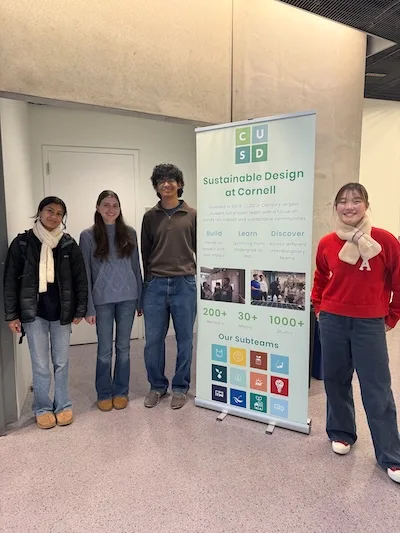
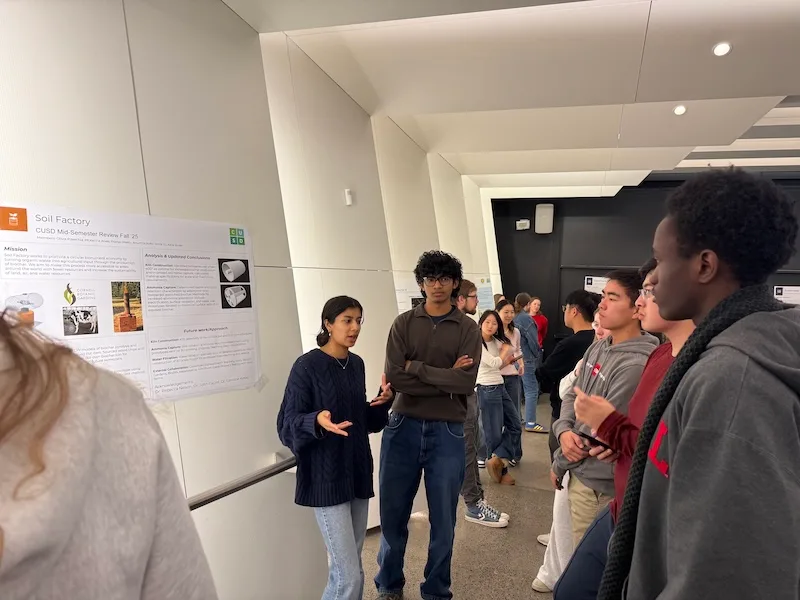
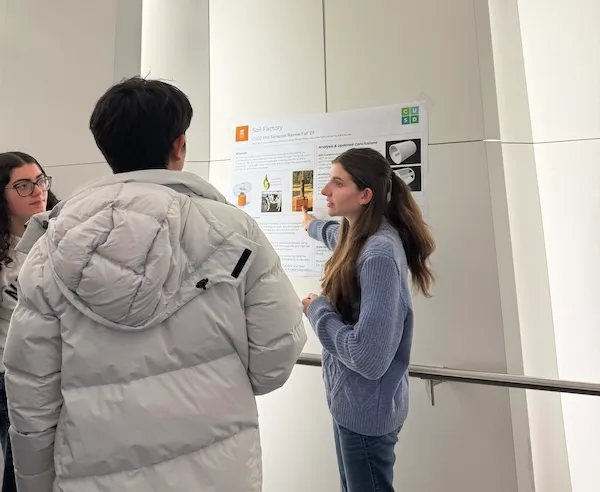
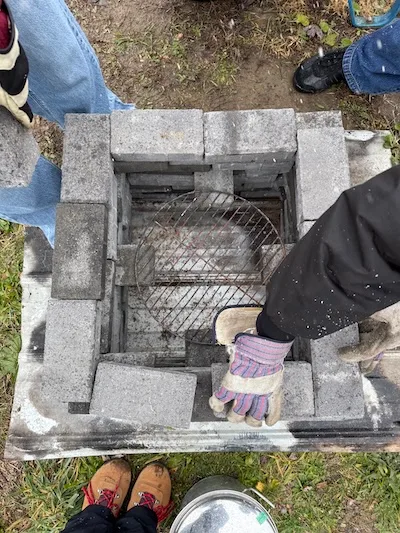
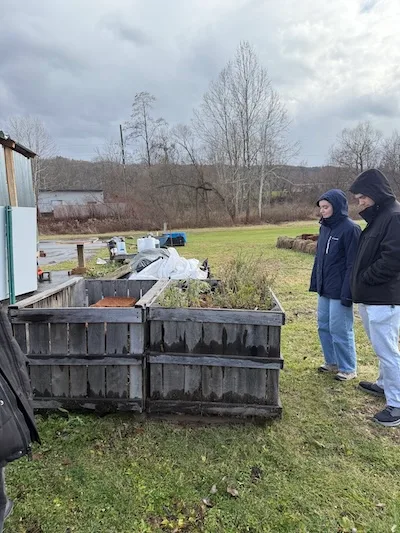
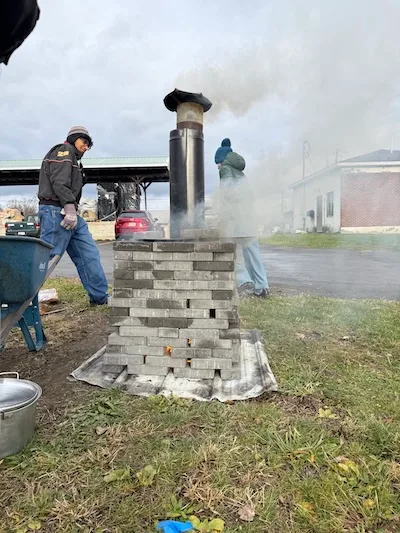
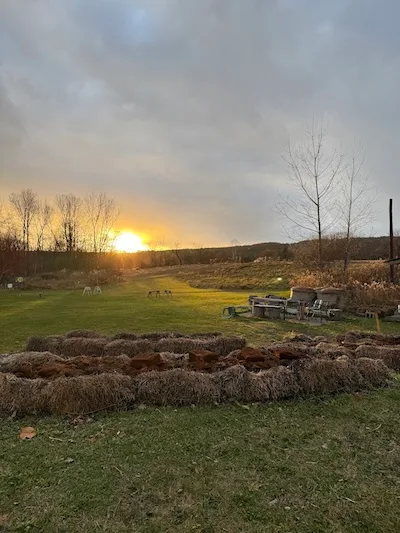
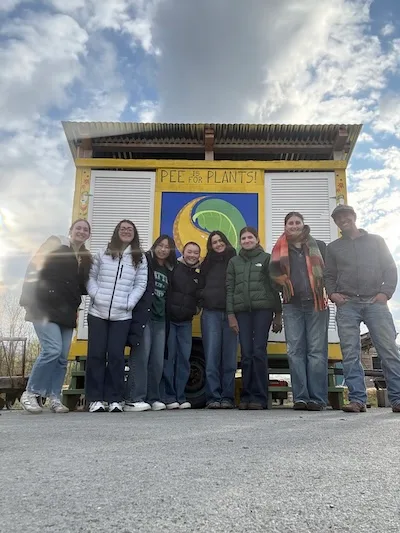
Project details
The problem
Current systems treat waste products as end-of-cycle throwaways while soil and plant health simultaneously suffer from a lack of nutrient enrichment.
Approach
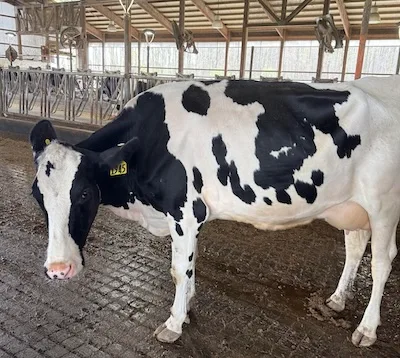
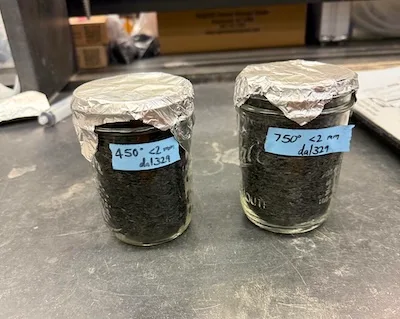
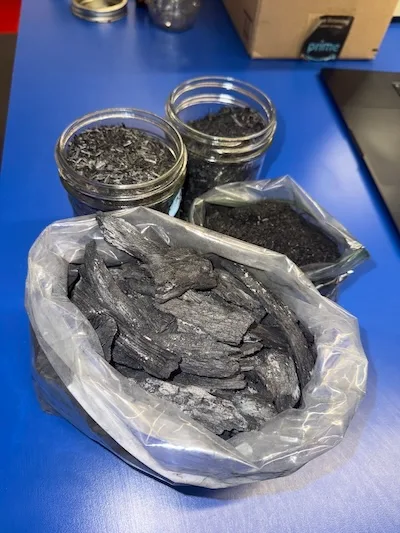
The team is working towards a circular nutrient economy by identifying nutrients discarded as agricultural and human waste and optimizing systems to repurpose them as fertilizers. Biochar is a substance with high surface area that excels at capturing nutrients, retaining water, and providing a home for soil microbes that support plant health. The team is exploring the use of biochar in systems that adsorb nitrogen and phosphorus from dairy barns and human waste products as a nutrient-dense soil amendment.
This semester
Explored modeling software such as CAD and ANSYS (for fluid modeling) to simulate the effects of biochar in liquid and better understand the design process. Worked closely with Dr. Nelson to design a vertical drying rack system for the Nelson Lab's acid/base biochar drying system, and constructed a scaled-down prototype to test the design. Explored unique and cost-effective methods to detect humidity, and researched hardware setup (solar panels, fans, pH sensing, acid/base release, humidity sensor) for the drying system.
Meet the team
Leads

Co-Lead
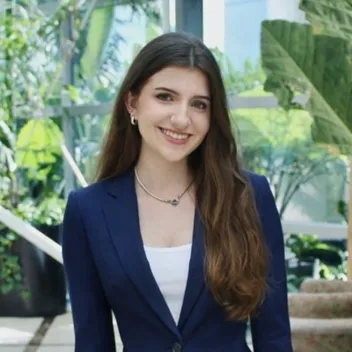
Charlotte Reitman
Charlotte Reitman on LinkedIn (opens in a new tab)Co-Lead


Members

Cynthia Zheng

Judi Lee
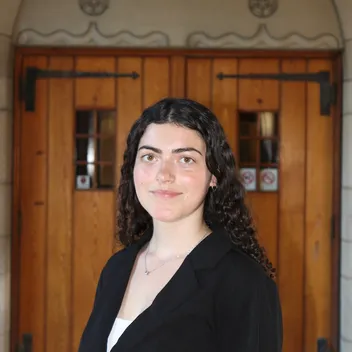
McKenna Alves

Pranav Mettu
Pranav Mettu on LinkedIn (opens in a new tab)


