Aquaculture
Computational sustainability in fish feeding systems.

We are working with our own computer vision model that has been developed over 2 years to track behavioral data.
- 9People
- 2Leads
- 3Partners
About
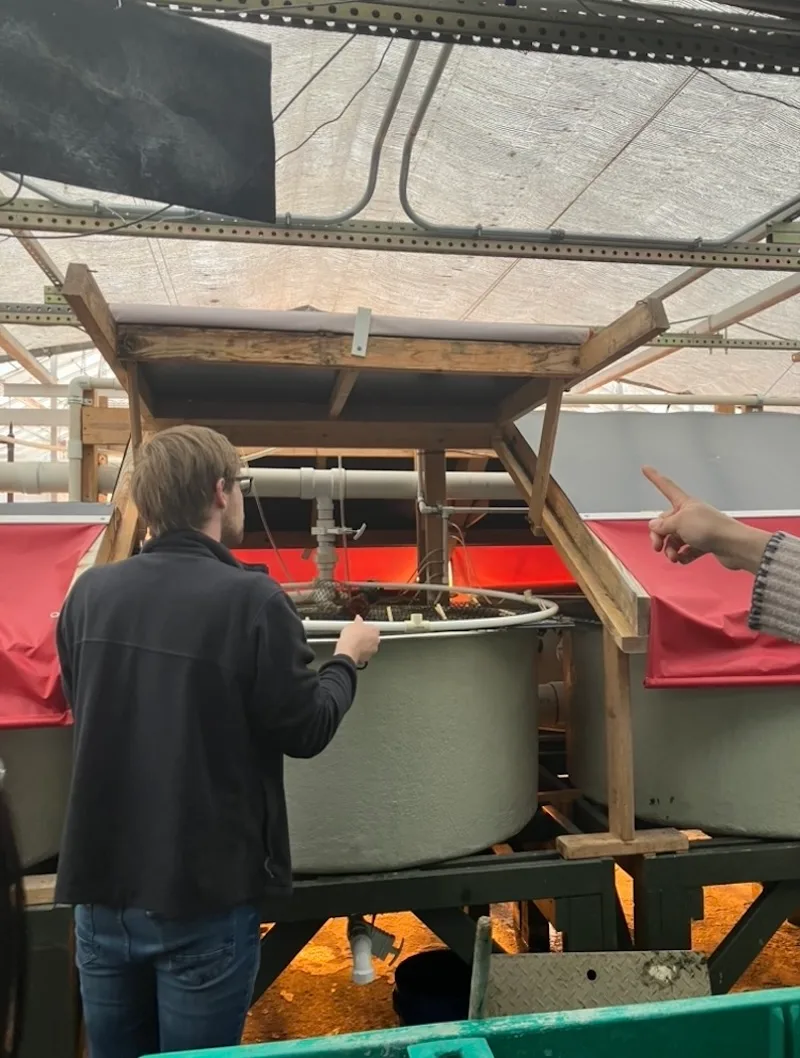
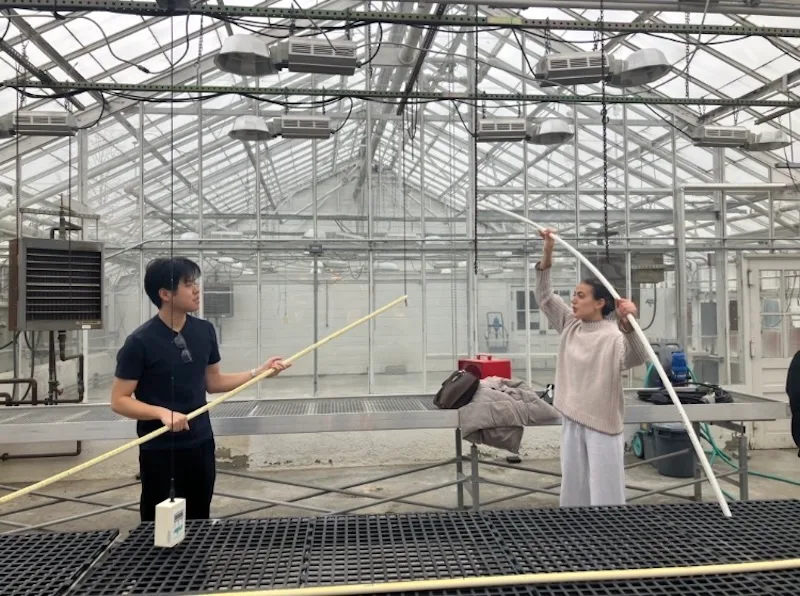
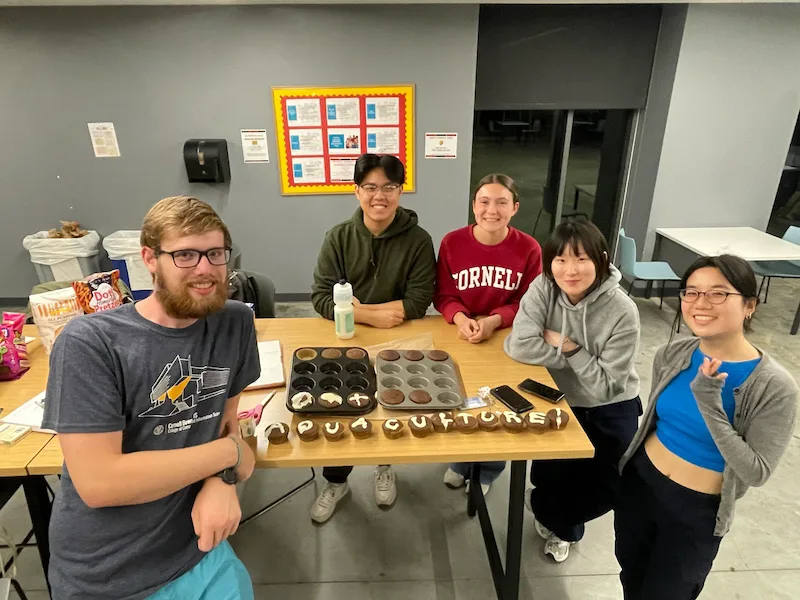
Fish farming is one of the fastest-growing food systems in the world. The Aquaculture team uses computer vision and behavioral tracking software to spot fish hunger cues in real time, so farms can feed precisely instead of by guesswork. Undergraduates from several majors work in biological and computational subteams at Kenneth Post Laboratory, with tilapia from Dr. Eugene Won's lab.
- Partners
- Dr. Eugene Won's lab (tilapia research partner)
- Kenneth Post Laboratory
- Prospective fish farms in Ithaca
Current projects
We are working on quantifying fish movement to create actionable data. We are also working on an automatic feeder with 3D printing and automation for various projects.
From the tank to the feeder
01 Watch
A permanent remote monitoring setup records the tilapia.
02 Recognize
Computer vision and machine learning pick out how the fish move.
03 Measure
Our algorithm turns that movement into data on behavior and hunger cues.
04 Feed
A 3D printed automatic feeder, timed to the behavior the data shows.
Join the team
Who we're looking for
Data science, CS, Engineering, Biology, E&S, mostly just STEM
Our Work
Project details
The problem
Traditional aquaculture systems prioritize maximum output without accounting for feed overflow, which wastes money for farmers and generates excess waste and bacterial growth in enclosed water systems. No widely available tool exists to track fish hunger cues or behavioral patterns in real time.
Approach
The team uses computer vision and machine learning to recognize fish movement patterns and generate trackable behavioral data. The biological subteam researches prior tracking methods and identifies similar projects, while the computational subteam builds and refines the algorithm and automation pipelines.
This semester
Developed and refined an algorithm that recognizes fish movement patterns and generates quantitative data on behavior. Built automation pipelines to support data collection. Established a permanent remote monitoring setup for tilapia. Began development of an automated feeder program aligned with observed behavioral patterns.
Next steps
Continue gathering behavioral and hunger-cue data to build out quantitative reports. Develop and test the automated feeder prototype. Pursue a partnership with local fish farms in Ithaca to study different environments. Compile findings toward publishing a paper.
Meet the team
Leads
Caroline Lee
Caroline Lee on LinkedIn (opens in a new tab)Co-Lead
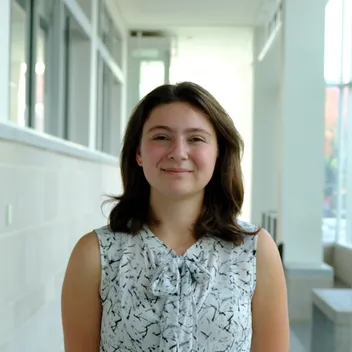
Taylor Ellinghaus
Taylor Ellinghaus on LinkedIn (opens in a new tab)Co-Lead


Members
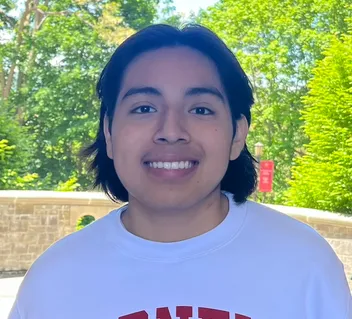
Alonso Ramos
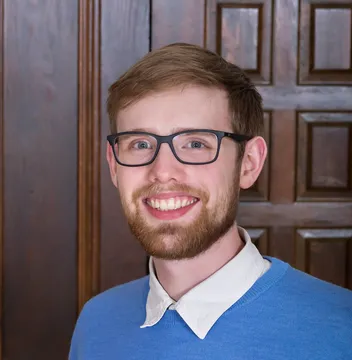
August Ehrlich
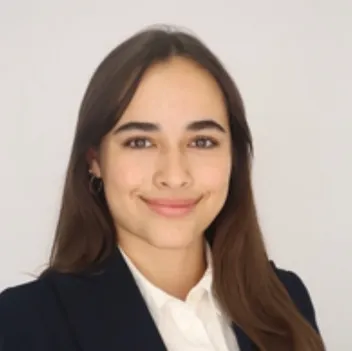
Grayce Garthoeffner
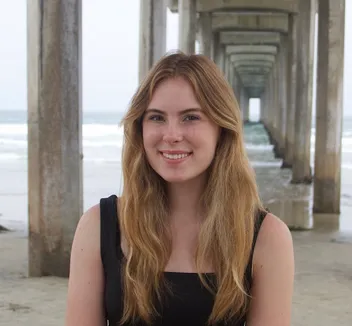
Holly Doran
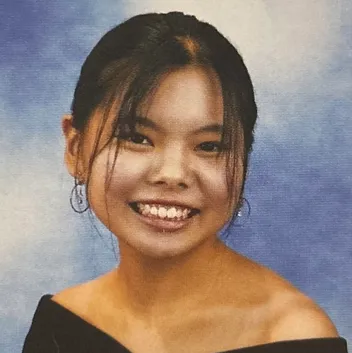
Lisa Iizuka

Noam Ben-Shlomo
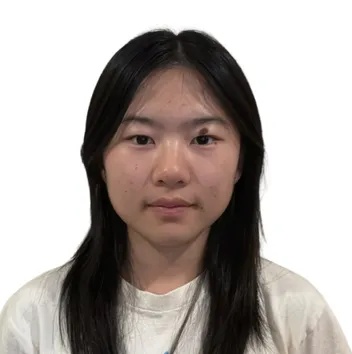
Summer Shen


